Biweekly means every two weeks
A biweekly schedule normally produces 26 paychecks in a year. Because calendar months do not line up perfectly with two-week periods, some months can contain three biweekly pay dates.
Semi-monthly means twice a month
A semi-monthly schedule normally produces 24 paychecks per year, often on fixed dates such as the 15th and last day of the month. Each check is typically larger than a biweekly check when annual salary is the same.
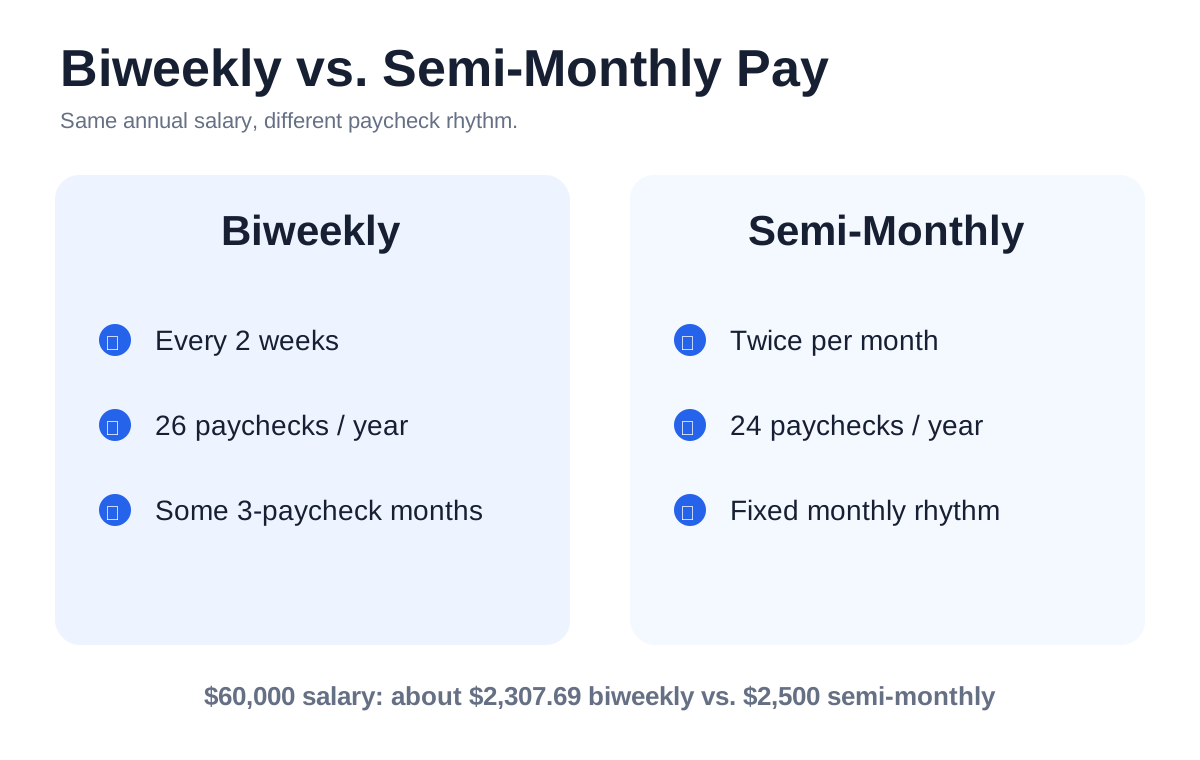
Example with a $60,000 salary
Biweekly gross pay is about $2,307.69 ($60,000 ÷ 26). Semi-monthly gross pay is $2,500 ($60,000 ÷ 24). The annual total is still $60,000 before deductions.
Why budgeting feels different
Biweekly workers can experience two “extra-paycheck” months in many years, while semi-monthly workers receive a consistent two checks each month. The yearly salary is the same, but cash-flow timing differs.