Gross pay is before deductions
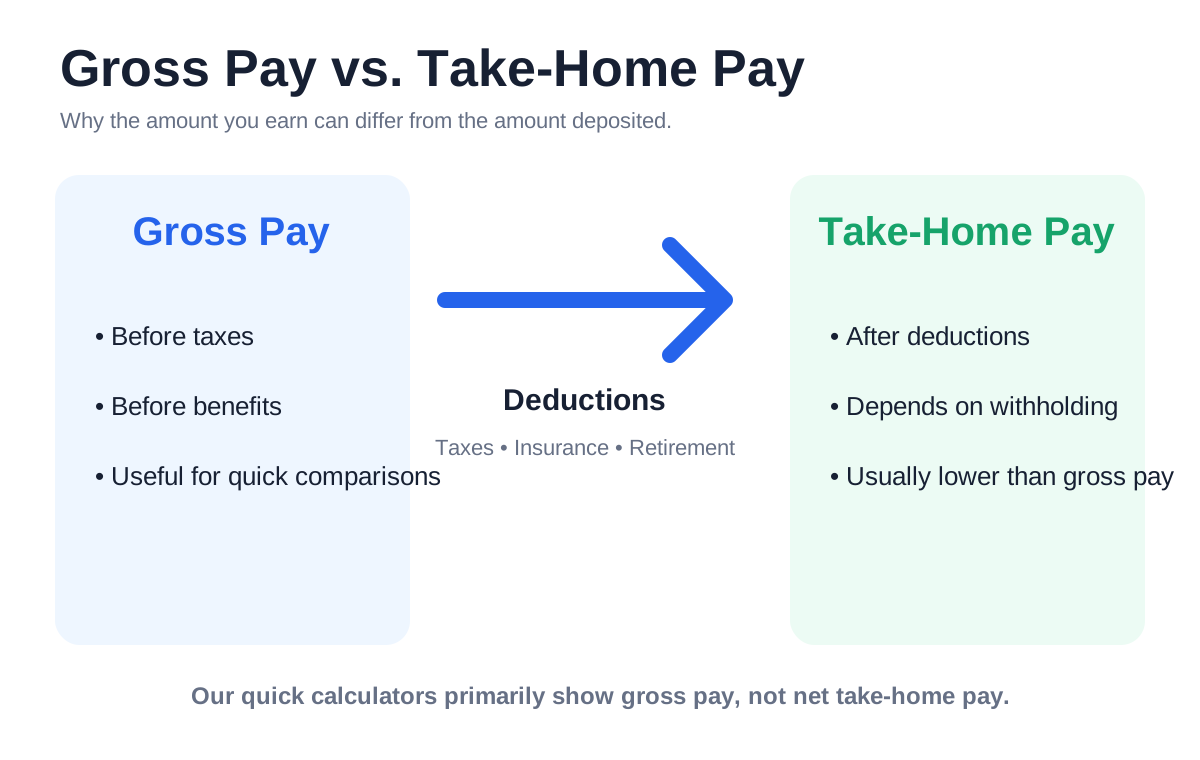
Gross pay is the amount earned before payroll deductions. The calculators on this site primarily estimate gross pay because it can be calculated from pay rate and work schedule without asking for sensitive tax details.
Take-home pay is after deductions
Take-home pay, sometimes called net pay, is what remains after applicable taxes and deductions. Those can include federal, state and local taxes, Social Security and Medicare taxes, health insurance, retirement contributions and other deductions.
Why one take-home percentage does not fit everyone
Two people with the same gross salary can have different net pay because they live in different states, choose different benefits, have different withholding settings or contribute different amounts to retirement plans.
How to use our results
Use the gross-pay estimate to compare rates and schedules. For an after-tax budget, start with your actual pay stub or use a dedicated tax calculator that collects the details needed for a more specific estimate.